
Paris Kyrkiotis and the evolution of SoulArt Photography: You don’t need to be in a fashion capital to build a strong identity.

Can you take us back to the beginning of your journey as a photographer? What first drew you to the camera, and how did that early curiosity grow into SoulArt Photography?
My journey as a photographer didn’t begin with a clear plan, but with curiosity. I was always drawn to visual storytelling—to the way light, emotion, and atmosphere can freeze a moment in time. The camera became a natural extension of how I see the world. Over time, that curiosity evolved into SoulArt Photography, a space where I could translate emotion into refined visual narratives.
How has SoulArt Photography evolved since its beginnings, and what have been the most defining moments in shaping the studio into what it is today?
SoulArt Photography has evolved from instinctive beginnings into a defined visual language. At the start, I was simply exploring light and composition, but gradually, the work became more intentional, more refined, and more emotional. Defining moments came through collaborations, editorial projects, and personal artistic series, where I understood that photography is not just about capturing beauty, but about creating atmosphere and meaning.
How would you describe your visual identity within fashion and editorial photography, and how did you arrive at it?
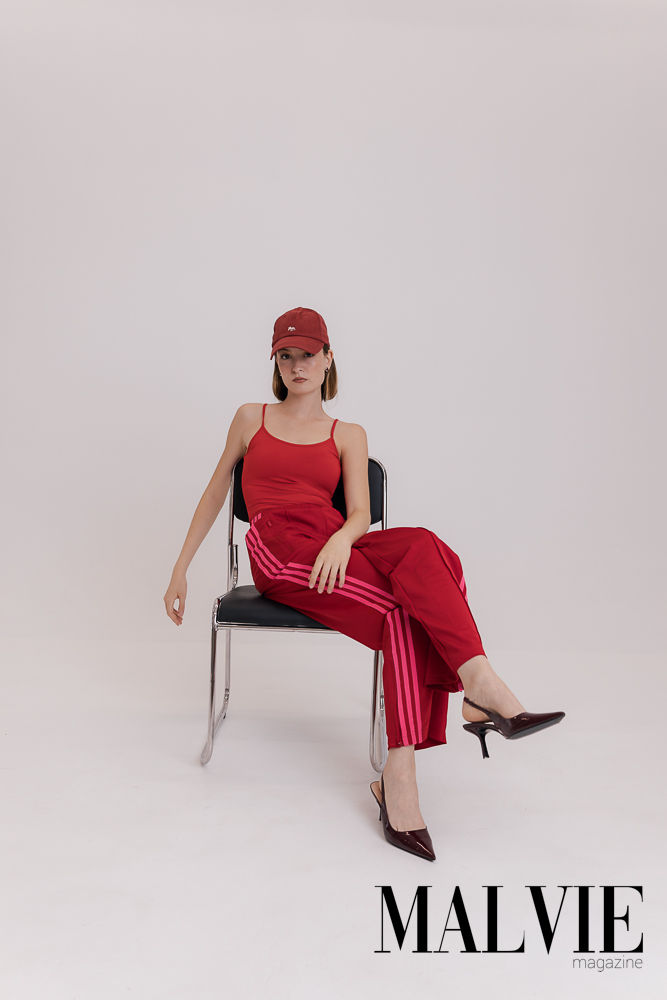
My visual identity sits somewhere between refined editorial fashion and emotional storytelling. It is clean, feminine, and precise, yet never cold. I aim for a balance between luxury aesthetics and human presence. This identity wasn’t built overnight; it came through constant refinement, studying editorial work, and understanding how emotion can exist within a structured, polished frame.

You speak about combining refined editorial aesthetics with storytelling and emotion. How do you balance polish and precision with genuine feeling in a single image?
The balance comes from intention. Technical precision creates the foundation, but emotion is always the priority. I never want an image to feel empty or overly perfect. Even in highly styled editorial work, I look for subtle moments—a gesture, a gaze, or a shift in energy—that bring life into the frame.
Art, nature, and Greek culture are clear influences in your work. How do these elements find their way into your images, and what do they bring to your storytelling?
Art, nature, and Greek culture are deeply embedded in my visual language. Greek light, landscapes, and history carry a natural sense of drama and purity that often finds its way into my work. Even in studio settings, I try to recreate that feeling of organic atmosphere and timelessness. These influences bring depth and a sense of identity to my storytelling.
Are there particular personal or creative projects that have been especially important in shaping your photographic identity? What did they teach you?
My most important projects are the ones where I was able to fully explore a concept beyond commercial boundaries. Personal editorial series and artistic collaborations have shaped my understanding of visual storytelling. They taught me discipline, patience, and the importance of building a consistent aesthetic voice rather than chasing trends.

How do you approach a new editorial concept, from the first idea to the final frame? Do you begin with a story, a mood, or an image in mind?
Every project starts with a feeling rather than a fixed image. Sometimes it’s a mood, sometimes a narrative fragment, and sometimes just a single visual reference. From there, I build the concept step by step: moodboard, light direction, styling, and location or set design. The final frame is always the result of preparation meeting spontaneity.
What role does collaboration play in your process, whether with models, stylists, or designers, and how do you bring a shared vision to life on set?
Collaboration is essential. A strong image is never created alone. I see models, stylists, and designers as part of the same creative language. My role is to guide the vision clearly so that everyone understands the emotional direction of the shoot. When that alignment happens, the set becomes a space of natural creativity rather than direction.
As you look to expand beyond Greece, what draws you toward the international fashion and editorial scene, and what excites you most about working across different cultures?
What draws me to the international scene is the diversity of visual languages and creative perspectives. Working across cultures challenges you to evolve, adapt, and expand your own identity. I am especially excited by the exchange of ideas and the opportunity to bring a refined Mediterranean editorial sensibility into a broader global context.
What kinds of partnerships are you hoping to build in the coming years, whether with designers, brands, agencies, models, or publications abroad?

I am looking to build long-term collaborations with fashion designers, editorial publications, creative agencies, and international models. The goal is not only to create individual projects, but to build meaningful creative relationships that evolve over time and allow for consistent artistic development across different markets.
Where would you like to take SoulArt Photography over the next few years, and how do you picture its presence within the international editorial world?
In the coming years, I see SoulArt Photography growing into an internationally recognized editorial studio with a strong and distinct visual identity. My vision is to work between countries, publications, and creative industries while maintaining a signature aesthetic rooted in emotion, elegance, and storytelling.
Finally, what would you want emerging photographers, especially those working far from the major fashion capitals, to take away from your journey so far?
I would want emerging photographers to understand that geography is not a limitation. What matters most is consistency, vision, and patience. You don’t need to be in a fashion capital to build a strong identity, but you do need to be intentional with your work and honest with your creative voice. The rest follows over time.
Model: Emmanouela Evangelidou @emma_evangelidou
Photographer: Paris Kyrkiotis | @soulart.photo
Wardrobe Stylist: Nasia Kolokotroni @nasiakoko_style
Makeup Artist: Chrysa Lyssari @chrysa_mua

It’s so refreshing to see how a strong artistic vision can thrive anywhere—this really proves that identity comes from within, not from the city you’re in. Minecraft Enchantment Calculator